
Community Needs & Assets Mapping
Participatory conversations, observation and stakeholder mapping to understand challenges, strengths, access needs and opportunities. Deliverable: community needs and assets brief with priority recommendations.
Dīpātma works with NGOs, foundations, social enterprises and community organisations to develop inclusive well-being initiatives, strengthen local capability and create practical pathways for continuity.
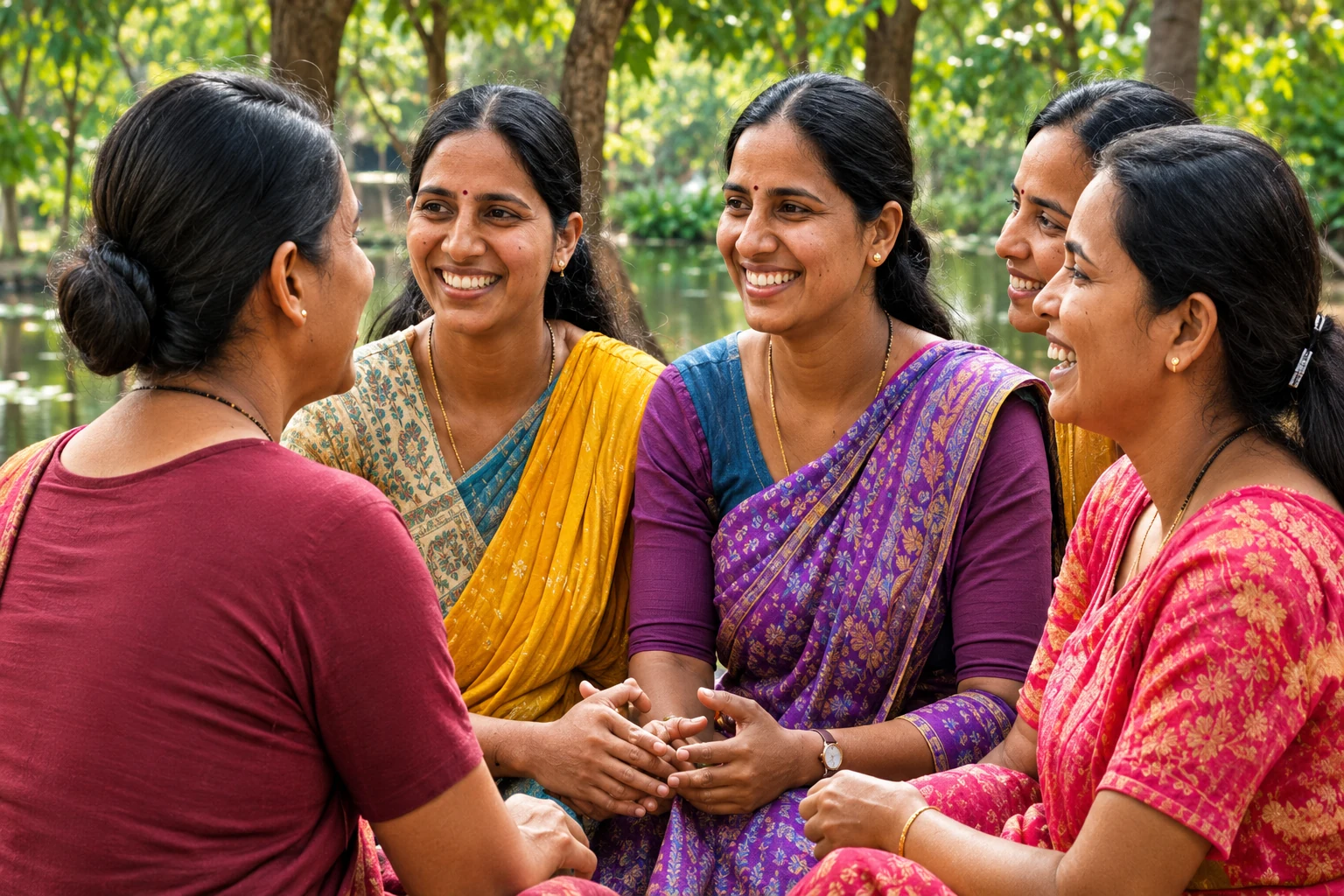
The most meaningful community programmes begin with listening. People may experience overlapping challenges involving access, livelihood, disability, caring responsibilities, health literacy and the pressures of daily life. A well-intentioned workshop cannot address all of these, and a programme that disappears when the facilitator leaves may have limited long-term value.
Our work combines participatory discovery, accessible education, local capacity building and transparent programme design. We aim to strengthen what communities already know and can do, while identifying practical support systems that can continue beyond a single event.
Participatory conversations, observation and stakeholder mapping to understand challenges, strengths, access needs and opportunities. Deliverable: community needs and assets brief with priority recommendations.
Well-being education and practical recovery support for staff, volunteers, community workers and family caregivers facing repeated emotional or physical demands. Deliverable: facilitated learning sessions and accessible take-home tools.
Context-specific programmes that support respectful communication, accessible routines, practical health literacy and inclusive participation. Design may incorporate interpreters, alternative formats and adapted facilitation where appropriate. Deliverable: accessibility-aware programme plan and learning resources.
A train-and-support pathway for selected local champions, volunteers or organisational staff to continue suitable programme activities with clear scope and referral boundaries. Deliverable: facilitator toolkit, supervised practice plan and handover framework.
A co-created awareness and fundraising workshop format that connects accessible breathing and well-being education with a credible community cause. Deliverable: event plan, participation approach and transparent reporting responsibilities.
Listen and map: Engage community representatives and identify actual needs, strengths, accessibility requirements and expectations.
Co-create: Agree learning goals, roles, referral pathways, budget and a realistic theory of change.
Enable delivery: Facilitate appropriately designed activities while strengthening local coordination and training.
Hand over and learn: Review participation, gather feedback, identify locally owned practices and document next steps.
Clear programme objectives, accessibility considerations, activity documentation, proportionate monitoring and a learning summary. With suitable consent and safeguards, reporting may include reach, participation continuity, facilitator readiness and the practical use of new resources. We avoid treating attendance counts as proof of long-term social impact.
Funding options may include direct project commissioning, philanthropic support or eligible CSR collaborations. Eligibility, funds administration and applicable compliance obligations must be verified for each arrangement; Dīpātma does not promise CSR funding or eligibility.
NGOs, community organisations, foundations, social enterprises, donor and CSR teams, disability inclusion initiatives and organisations supporting caregivers or underserved communities.
If the desired outcome or intervention is still open, start with Community Impact Strategy. The NGO portfolio focuses on delivering and sustaining community well-being programmes.
We can plan for accessible communication, participation and venue requirements within the scope of each project, working with suitable interpreters, specialists and community representatives when needed.
Yes, where the scope, budget, decision-making responsibilities and reporting expectations are agreed. We can support programme design, training, coordination and periodic evaluation.
We can help develop a clear intervention concept and documentation for consideration by eligible partners. The sponsoring organisation and implementing entities remain responsible for confirming legal eligibility, approvals and reporting requirements.
We plan continuity from the beginning through locally usable resources, internal champions, handover arrangements and realistic follow-up support.
Share the community you serve, your current priorities and the resources or partnerships available. We can explore a scoped assessment, pilot or ongoing capacity-building initiative.
Discuss a Social Impact Project
How Community Well-being Programmes Continue After the Workshop